Commercial Backflow Testing in Phoenix, AZ: How to Stay Compliant Without Disrupting Operations
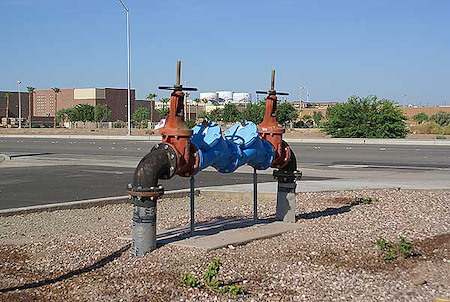
When water safety and uptime both matter, a smart plan for commercial backflow testing keeps your facility compliant and your teams productive. This guide explains how Phoenix businesses can schedule, prepare, and communicate so testing fits cleanly into the workday. If you are ready to book a certified visit, learn more about our backflow testing service for local businesses.
Backflow assemblies protect your building and the public water supply, but testing can feel like a scheduling puzzle. Phoenix adds its own twist with long hot seasons, early start times, and busy shared mains near retail corridors and job sites. With the right approach, you can check every compliance box and avoid interrupting customers, tenants, and crews.
Why Backflow Compliance Matters For Phoenix Businesses
Many local water providers require periodic verification that your backflow prevention device is working. For commercial sites, that often means coordinating testing across multiple assemblies for irrigation, domestic water, and fire protection. In Phoenix neighborhoods like Deer Valley, Midtown, and Biltmore, mixed‑use properties may have several devices feeding different suites or systems.
Compliance is not just paperwork. Passing tests confirm that pressure changes will not pull non‑potable water back into clean lines. Think about restaurants along Camelback, clinics near the 51, or campuses in Desert Ridge. A failed device can lead to failed inspections and operational headaches. Regular testing helps you keep things simple and safe.
What Actually Disrupts Operations During Testing
Testing itself is focused and methodical, but the ripple effects can slow teams down if you are not prepared. Common disruptors include:
- Access delays when assemblies are locked behind gates, in mechanical rooms, or on rooftops
- Unexpected water shutoffs where a bypass was not planned for a critical zone
- Device identification issues, like missing tags or serial numbers that do not match records
- Surprises after seasonal weather, such as dust and debris lodging in check valves following a storm
Each of these can be prevented with a little prep and clear communication. The goal is a smooth 20–40 minute window per assembly with no surprises for your staff or customers.
Scheduling Strategies That Keep Teams Working
Start by mapping your daily peaks. Retail along Roosevelt Row and hospitality near Downtown see heavy morning and evening water use. Industrial zones in South Phoenix often run early shifts to beat the heat. Pick windows when low or no water use is expected for the zones under test. Your provider should confirm which valves are touched and how long each zone will be unavailable.
Coordinate with janitorial, landscaping, and kitchen teams so testing does not collide with irrigation cycles or prep times. For offices, schedule around meeting blocks and tenant move‑ins. For schools and medical facilities, plan testing during breaks or off‑clinic hours. A clear calendar invite with location, device ID, and contact helps everyone stay aligned.
When timing is tight or loads are critical, ask about creating a short bypass for the specific line being tested. This way, essential areas keep running while the assembly is isolated. Your certified tester can advise if this is appropriate for your device and site.
What To Expect On Test Day
Knowing the flow reduces friction. Here is a simple outline of what happens when a certified tester arrives at your Phoenix property:
- Walkthrough and verification of device location, type, and serial number
- Brief huddle on zones affected, shutoff points, and expected timing
- Isolation of the assembly and connection of calibrated gauges to test ports
- Recorded readings for check valves and relief components, plus a visual inspection
- Results shared on site and documented for your compliance records
Make sure your team knows where keys and access cards are stored. A five‑minute delay at a locked door can matter when you are trying to avoid customer impact.
Reducing Risk Between Annual Tests
Most businesses do fine with a steady test rhythm. Still, desert conditions and heavy use can wear parts faster. A few small habits can help your device last longer:
Keep the area around your assembly clear. Boxes, landscaping, or piled tools can hide slow leaks and slow down access. Clean lines of sight also help deter tampering.
Protect outdoor devices from theft and damage. Busy parking lots and alleys are high‑traffic zones. A secure enclosure can prevent costly downtime, and our backflow cages help with both theft deterrence and impact protection.
Log minor issues right away. A small drip or a tag that is hard to read may not stop operations today, but it can turn a quick test into a longer visit later.
When Repairs or Temporary Solutions Make Sense
Even with good maintenance, assemblies can fail. When they do, quick decisions protect your timeline. If readings suggest worn internals or damaged shutoffs, pairing testing with a service visit often shortens the path to a passing retest. Our team handles both, and you can learn more on our backflow repairs and installation page.
Construction sites and phased remodels in Phoenix often need short‑term water controls. If your permanent device is not ready or a phase requires separate protection, a temporary assembly can bridge the gap until final turnover. If your project workflow points that direction, ask how a rental would be staged and documented before you begin.
Documentation Habits That Speed Up Inspections
A tidy paper trail saves minutes on test day and hours if you change managers mid‑year. Keep digital copies of test reports, device serial numbers, and site maps in a shared folder. Label by property, device type, and date. During a walk‑through, your team can pull proof of compliance in seconds. That helps during third‑party audits, lease turnovers, and multi‑site planning.
It also helps to track simple equipment notes. For example, if you learned an assembly sits on the north wall behind a locked service gate, record that location in your work order template. Your next test will start faster and finish sooner.
How Phoenix Weather Shapes Your Plan
In summer, many Phoenix teams move to earlier shifts. Testing that begins at first light helps you beat the heat, avoid peak water use, and keep crews comfortable. Afternoon monsoon cells can push dust and grit through outdoor lines. If your site runs irrigation in the evening, consider testing in the morning after a quick visual check for debris near test cocks and relief valves.
Valley neighborhoods vary too. Downtown corridors see steady foot traffic and delivery trucks, so you may need cones or a quick barricade to keep devices clear during testing. In business parks across Chandler, Tempe, or Glendale, coordinating with property management prevents conflicts with landscapers and daily maintenance crews.
How To Communicate Testing To Tenants And Staff
Short, clear notes prevent confusion. Share the date, the window, which zones could be affected, and a live contact. Mention whether a brief water pause may occur in a specific area, and confirm that essential functions will remain available. Encourage tenants to report anything unusual they notice after testing, like a persistently dripping zone valve or a new noise at start‑up.
It helps to include who is performing the work. For example: testing by Backflow Paradise Inc.. That context builds confidence and reduces calls to your front desk.
Choosing A Local Partner You Can Trust
Look for certified, insured providers who understand Phoenix’s building mix and the pace of Valley operations. Ask about calibration practices, typical visit length, and how they handle retests if a device needs repair. Providers who share template communications and scheduling tips are focused on minimizing disruption, not just checking a box.
If you prefer to review services first, our commercial backflow testing page outlines how we handle scheduling, reporting, and coordination across multiple assemblies.
Example One‑Day Plan For A Multi‑Tenant Property
Use this simple model and adjust for your building:
7:00 AM: Technician arrival and access check with facilities. Confirm device list and walk the route.
7:30–10:30 AM: Test irrigation and exterior devices while tenants arrive. Note any debris, tag issues, or minor leaks.
10:45 AM–12:00 PM: Test domestic water assembly during mid‑day lull. Communicate 10–15 minute pause to the small area affected.
1:00–2:00 PM: Retest any assemblies after small on‑the‑spot adjustments. Capture photos and update the compliance log.
2:15 PM: Email reports to your records contact and property manager. Record next test reminder in your calendar.
Align Testing With Long‑Term Risk Reduction
Backflow assemblies do a quiet, critical job. When you plan testing around your operations, you keep that job invisible to customers and staff. Pair scheduled testing with small improvements like labeling access points, clearing vegetation, and adding protection where needed. If vandalism or weather exposure is a concern at your site, ask about a secure protective cage that still allows fast testing and service.
For properties with recurring failures, combine testing with a proactive review. A short assessment can catch recurring causes, like heavy mineral scale or persistent debris at a relief valve. Fixing those root issues helps you avoid repeats next season.
Need A Quick Reference?
Bookmark one master document: property name, device IDs, exact locations, access instructions, last pass date, and next reminder. Share it with anyone who might escort the tester if you are out of office. When that file lives in your facilities folder and your calendar sends the reminder, compliance becomes routine rather than a scramble.
If you manage several properties across Phoenix, Scottsdale, and Glendale, standardize file names and photo labels. Ten minutes of setup saves hours during audit season.
Stay Compliant Without Slowing Down
Commercial testing should feel like a planned pit stop, not a full stop. If you want a partner who keeps your schedule in mind, count on Backflow Paradise Inc.. Explore our backflow testing service and set a date that works for your team. You can also reach us at 623-387-8055 for fast scheduling.
Prefer to start at the main site? Learn more about commercial backflow testing in Phoenix, AZ and how we support property managers, facility teams, and contractors across the Valley.
Ready To Keep Your Phoenix Operation Compliant And Running?
Let’s plan testing around your workflow so your teams can keep moving. Schedule with Backflow Paradise Inc. today, and we will coordinate access, timing, and documentation from the first call. Book your visit now through our commercial backflow testing page or call 623-387-8055 for help right away.

Your Phoenix Partner for Backflow Compliance & Service
Request Backflow Compliance Support Today